
Restaurants’ hottest menu item in 2025 was ‘value.’ That won’t change next year

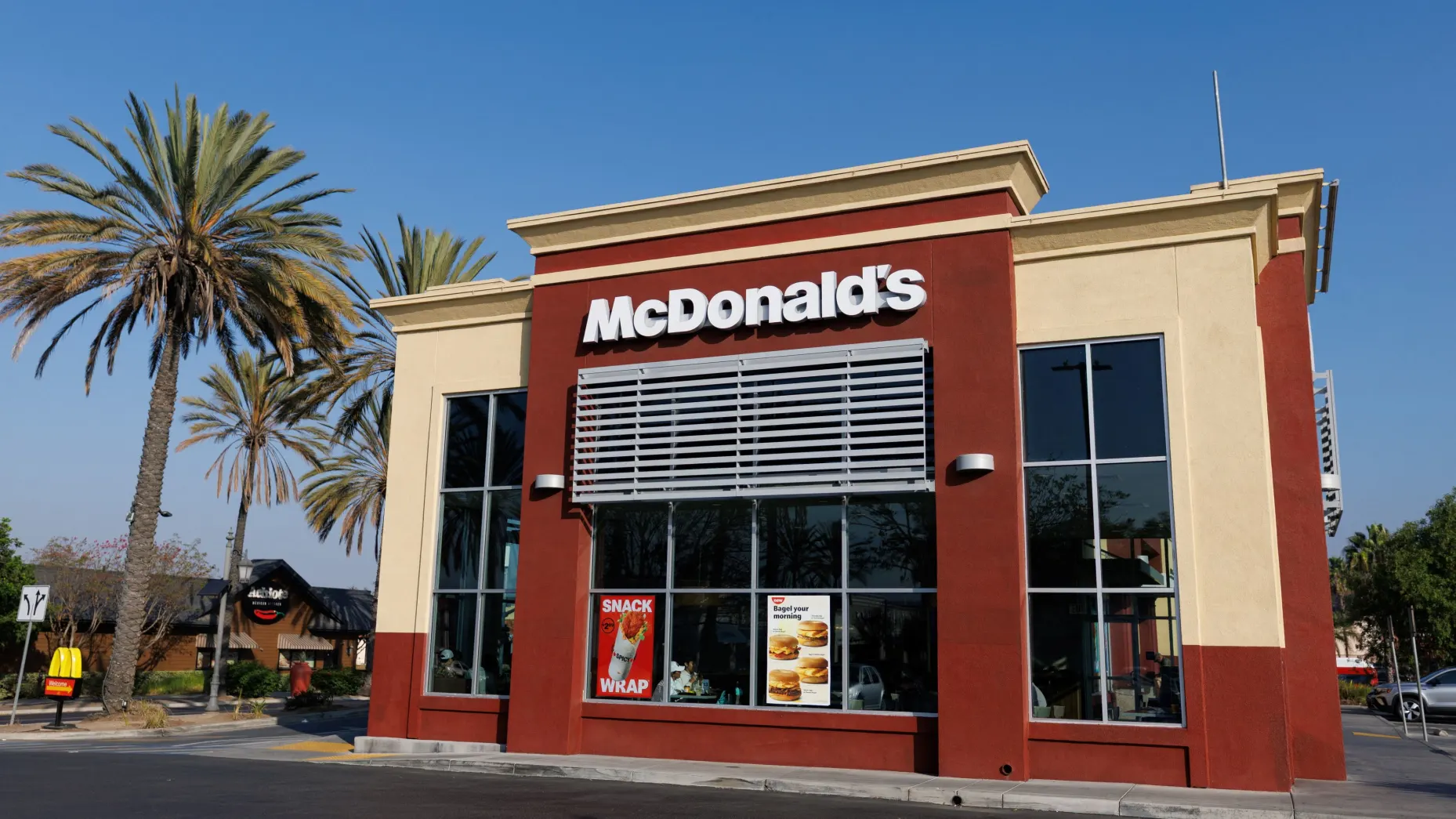
McDonald’s restaurant in San Diego, California, U.S., Oct. 31, 2025.
Chicago — The U.S. restaurant industry is locked in its most intense battle for price-conscious diners since the Great Recession, with "value" remaining the dominant strategy heading into 2026. As economic pressures squeeze consumer wallets, eating out has become the first discretionary expense to be cut, forcing chains to innovate with discounts, combo meals, and new accountability measures to retain traffic.
Data from Black Box Intelligence shows negative year-over-year guest traffic for nearly every month in 2025, underscoring the challenge. In response, the industry has fragmented into distinct value plays: fast-food chains pushing aggressive combo deals, casual-dining spots highlighting affordable appetizers, and fast-casual brands like Cava emphasizing quality to avoid a direct price war. This environment represents a critical strategic pivot for the entire sector as it navigates a high-stakes race for a shrinking pool of frequent diners.
McDonald's as the Bellwether: From Carrot to Stick
The industry's evolving playbook is best exemplified by McDonald's, which has moved from being a poster child for high prices in 2024 to leading the value charge. After launching a successful $5 meal and extending promotions longer than expected, the burger giant reported a 2.4% U.S. same-store sales increase in Q3 2025. CEO Chris Kempczinski emphasized that "value matters to everybody," not just low-income consumers.
The chain's strategy involved unprecedented corporate support for franchisees, including co-investing in discounts with help from partners like Coca-Cola. However, heading into 2026, McDonald's is shifting gears. Corporate subsidies will end in the first quarter, replaced by new franchising standards that will penalize operators if their prices are deemed too high and are hurting traffic—a move from the "carrot" to the "stick" in enforcing a value-focused competitive ecosystem.
The Delicate Balance of Margins and Traffic
Across the industry, the core challenge remains executing value promotions without destroying already razor-thin margins. As noted by industry consultant Jay Bandy, "It’s hard to sell things... for $5 and make your margins." The universal strategy is to use a loss-leading value item to attract customers, then upsell them on higher-margin add-ons like a McFlurry or a premium entree.
Rivals like Taco Bell have adopted tiered value boxes ($5, $7, $9) to trade customers up within the value segment. The goal, as Technomic analyst Rich Shank explained, is to convert a customer "from spending $7 to spending $9" when traffic growth is elusive.
As 2026 begins, the restaurant industry's focus on value is unwavering, but the tactics are becoming more sophisticated and pressurized. For major players, the coming year will test whether aggressive value engineering can sustainably drive traffic without compromising profitability—a delicate and decisive strategic maneuver in an uncertain economic climate.
Recent
News




Newsletter
Subscribe to our mailing list to get the new updates!

Subscribe our newsletter to stay updated
Most
Reviews
Finance

- Wed, 28 Jan 2026
Silver squeeze leaves solar panel makers feeling the heat
Business

- Wed, 28 Jan 2026
SentryWorld To Close In 2027 For Renovations Ahead Of USGA Events
Invest
Economy
- Wed, 28 Jan 2026
Federal Reserve signals no rush to cut rates as economy powers ahead
Finance
- Sat, 24 Jan 2026